

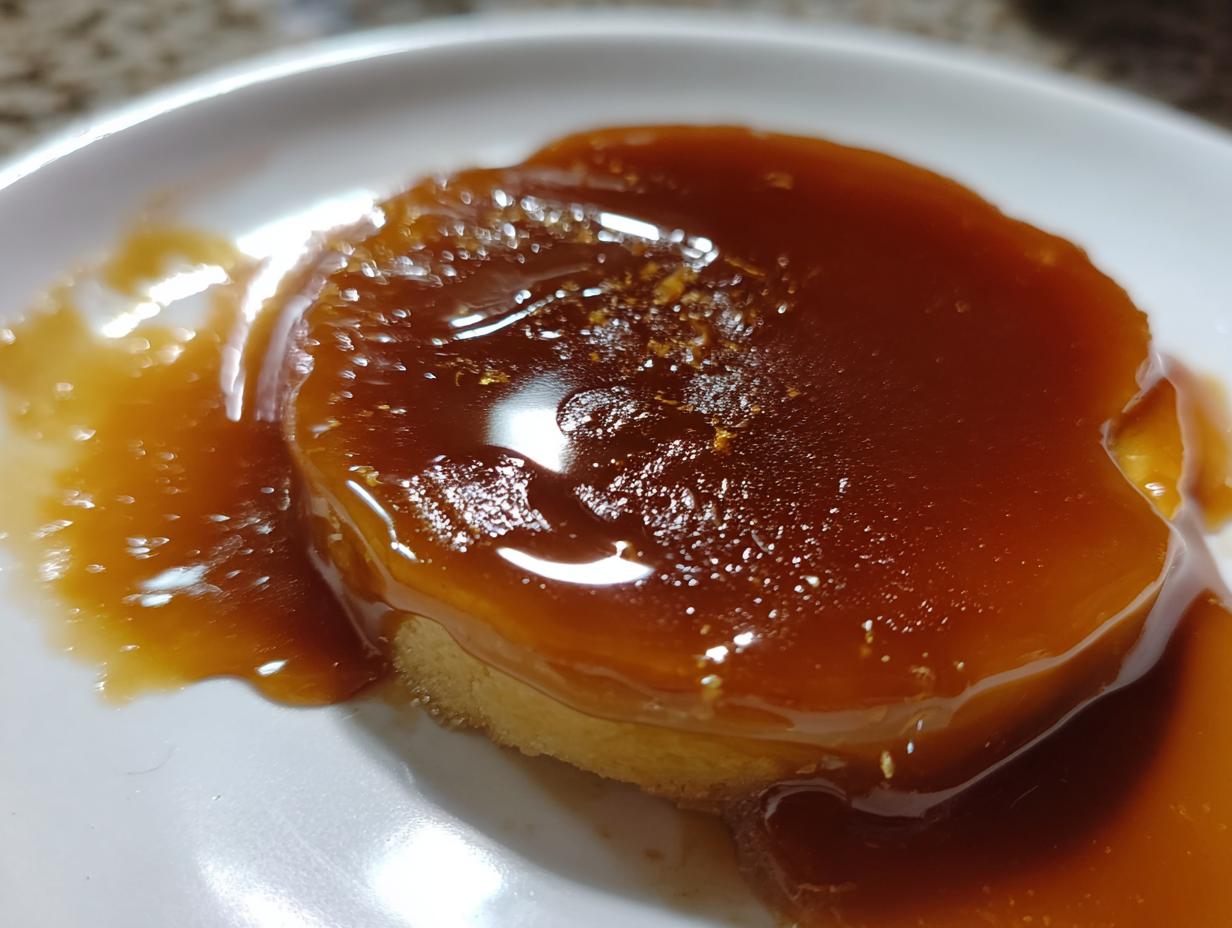
Oh, friends, there is nothing—and I mean *nothing*—that screams cozy comfort quite like a thick, velvety puddle of brown gravy soaking into fluffy mashed potatoes. It’s my absolute favorite way to make a simple weeknight meal feel like a holiday feast. But let’s be real, sometimes you want that flavor boost but you just don’t have the drippings handy from a roast, right? Well, don’t you worry for a second! This is my go-to, ultimate homemade brown gravy recipe that relies solely on our pantry staples. Here at MayaPlate, I—Maya Thompson—always aim for incredibly satisfying flavor paired with practical, fast cooking, which is why this recipe comes together so quickly. It’s proof you can have that deep, savory flavor for quick dinners without the fuss of getting meat drippings involved! You can actually read more about our whole approach to kitchen practicality on the About Us page, which is exactly where this recipe comes from.
- Why This Homemade Brown Gravy Recipe Works (No Drippings Needed!)
- Ingredients for Homemade Brown Gravy Perfection
- How To Make Brown Gravy From Scratch Using the Stovetop Method
- Expert Tips for the Best Homemade Gravy
- Serving Suggestions for Your Quick Dinner Gravy
- Storage and Reheating Instructions for Homemade Brown Gravy
- Frequently Asked Questions About Gravy Without Drippings
- Estimated Nutritional Snapshot for This Easy Brown Gravy
- Share Your Homemade Gravy Recipe Success
Why This Homemade Brown Gravy Recipe Works (No Drippings Needed!)
When we skip the pan drippings, we have to work a little harder to build that classic savory flavor, right? That’s the key to keeping this a fabulous gravy without drippings. This method relies on technique, not luck! It’s all about maximizing flavor quickly so you can get back to your evening.
- It delivers that wonderful, rich savory gravy experience you crave for mashed potatoes.
- It’s truly fast. We’re talking about getting this perfectly thick sauce on the table in minutes.
- You don’t have to wait for a roast to finish cooking just to have a good topping!
Flavor Depth from a Perfectly Browned Roux
Seriously, don’t rush the roux! Browning the flour for those first few minutes over the butter is non-negotiable here. When you cook the flour long enough, it loses that raw, pasty taste and develops a deep, nutty, almost caramelized flavor. That rich color and taste are what stand in for the missing meat drippings, giving you a complex base for a truly satisfying sauce.
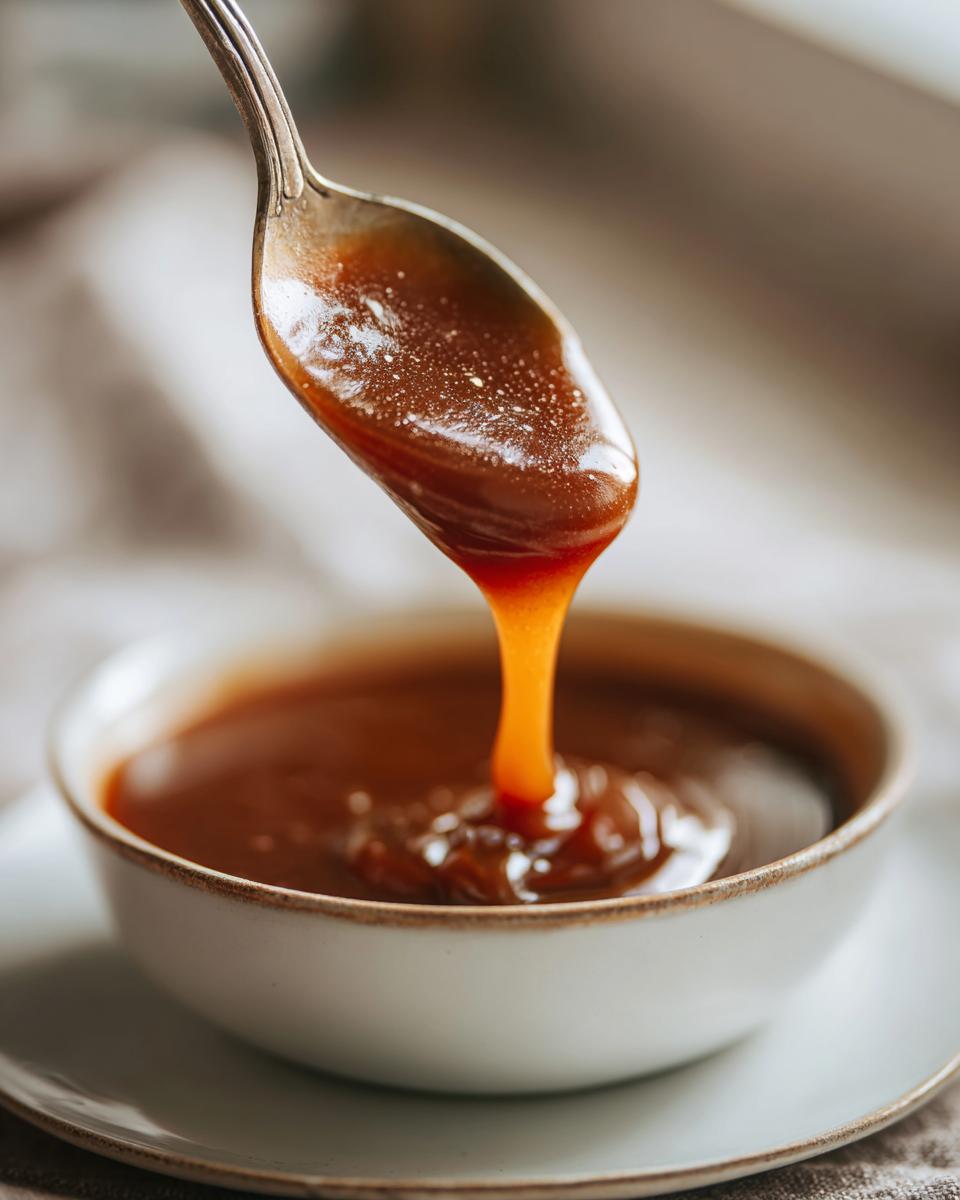
Quick Dinner Gravy Ready in Under 20 Minutes
I developed this recipe specifically for those nights when dinner is ready but the side dishes are screaming for something special. Between melting the butter and simmering it down until it coats the back of a spoon, we are usually done in about 20 minutes total! This makes it the perfect quick dinner gravy addition, whether you’re serving meatloaf or just having a massive plate of comfort sides.
Ingredients for Homemade Brown Gravy Perfection
Okay, here’s the lineup. Remember, the beauty of this homemade brown gravy recipe is how common these things are! We aren’t messing around with specialty items just because we skip the drippings. We use smart seasoning to get that deep flavor instantly. Trust me on the soy sauce—it’s just for color and depth, you won’t taste soy!
- 4 tablespoons unsalted butter
- 4 tablespoons all-purpose flour
- 2 cups low-sodium beef broth
- 1 cup water
- 1 teaspoon onion powder
- 1 teaspoon garlic powder
- 1 teaspoon Worcestershire sauce
- 1/2 teaspoon dried thyme
- 1/2 teaspoon salt, or to taste
- 1/4 teaspoon black pepper, or to taste
- 1/4 teaspoon dark soy sauce (for color and depth)
How To Make Brown Gravy From Scratch Using the Stovetop Method
Alright, learning how to make homemade brown gravy from scratch is really all about respecting the roux! Don’t let the fancy word scare you; it’s just flour and fat cooked together, and it’s the backbone of this sauce. I’ve seen people rush this step, and then the gravy tastes flat. We are building deep flavor here for a truly delicious comfort food sauce, so grab your whisk and pay attention to the heat!
- In your medium saucepan—I prefer a heavy-bottomed one so it doesn’t scorch—just melt that butter over medium heat. Let it get happy, but not smoking.
- Now, whisk in your flour right away. This is our roux! You need to keep whisking constantly for a good 2 to 3 minutes. We are aiming for a color that looks like rich peanut butter or maybe dark caramel. If it starts smelling burnt or looks super dark black, oops, you’ve gone too far! Start over; the burnt taste won’t go away.
- Once you hit that perfect, deep brown color, you have to work fast! Pour in your 2 cups of beef broth slowly while whisking like mad to break up any little lumps.
- Next, whisk in the water, onion powder, garlic powder, Worcestershire sauce, thyme, salt, pepper, and that secret weapon, the dark soy sauce.
- Turn the heat up to medium-high until you see the mixture just starting to bubble happily around the edges.
- Now dial it back down to low heat. This is where the magic thickens! Simmer for about 5 to 8 minutes, whisking often, especially near the bottom.
- When it coats the back of a spoon nicely—that’s how you know it’s ready—pull it off the heat, taste it, and add any final touches of salt or pepper you need. Serve it hot! This entire process is what makes this such a standout easy brown gravy. If you have any questions about adapting this base, check out our Privacy Policy to see how we handle user feedback!
Mastering the Roux: Building the Base for Rich Savory Gravy
This is where we get that savory depth without the drippings. The key is patience during those three minutes when the flour and butter hang out together. You’re waiting for the starchiness to cook out and the proteins to develop that gorgeous nutty flavor. If you stop when it’s just pale yellow, your final gravy will taste floury, not rich. Keep that whisk moving constantly so you don’t get any burnt spots stuck to the bottom of the pan. Getting this step right means you’ll truly have a best homemade gravy on your hands.
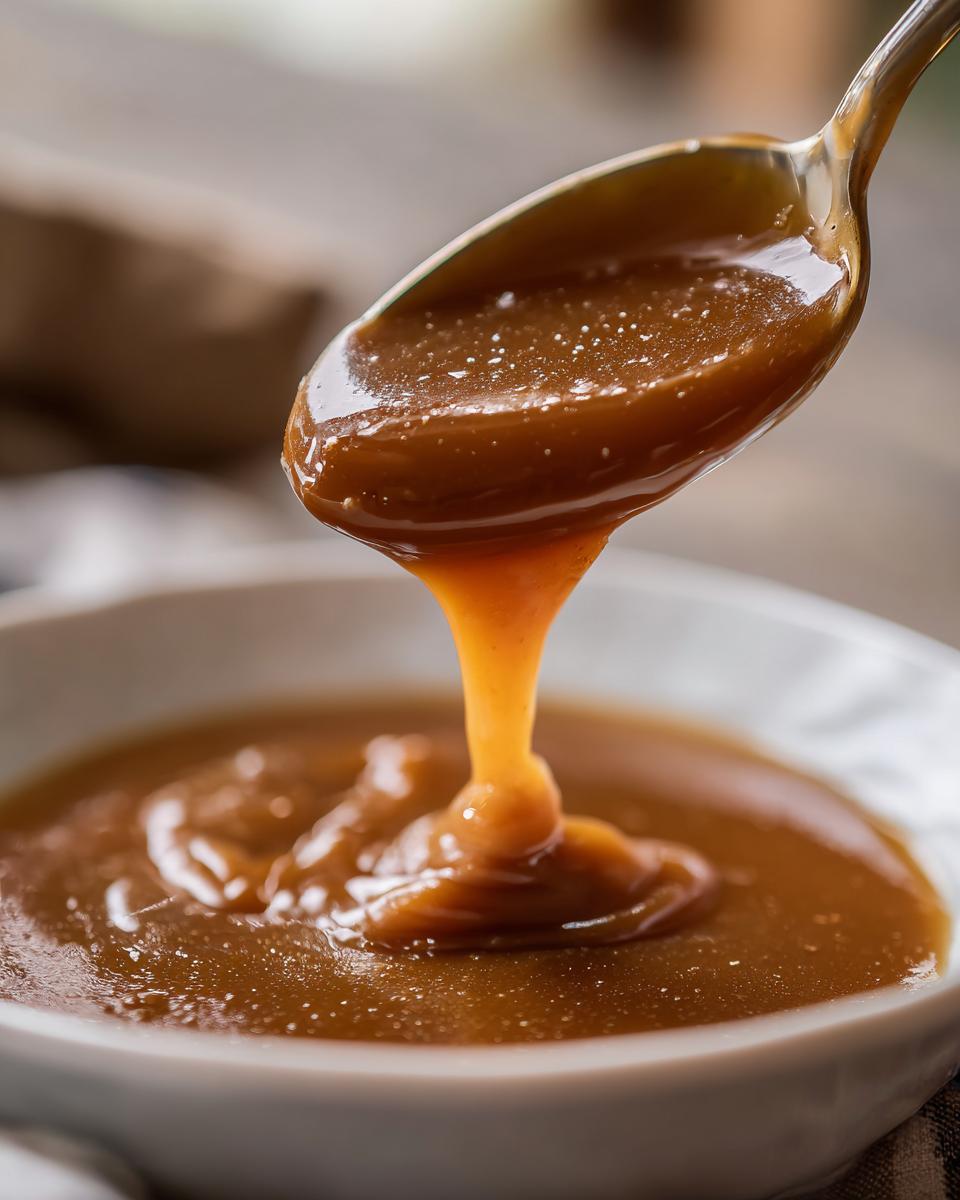
Achieving a Velvety Brown Gravy Consistency
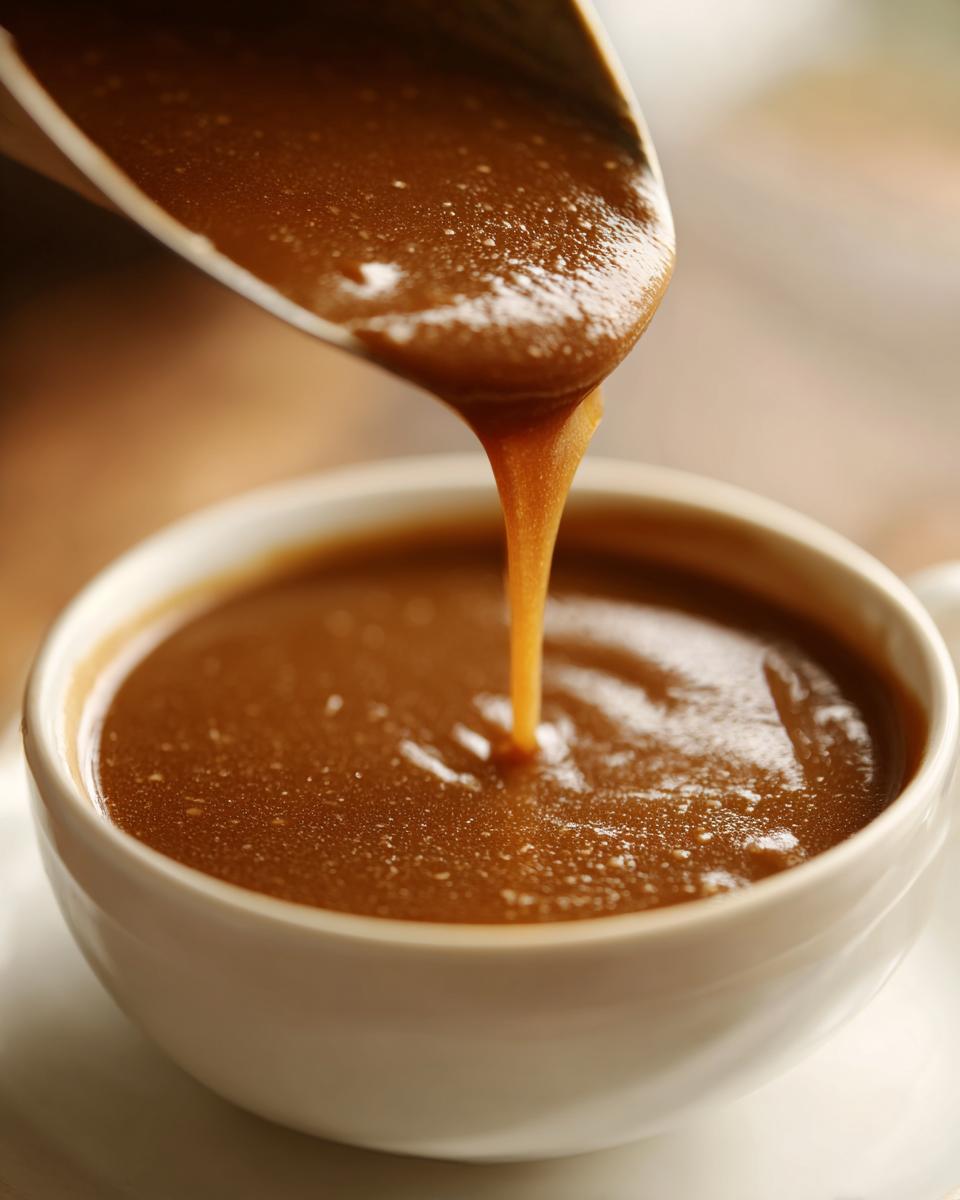
The thickening happens during the slow simmer once the liquid is added. Don’t try to rush it by cranking the heat to high again, or you risk scorching the milk solids in the broth! Keep it at a gentle simmer—just a slow, lazy bubble—and continue to stir regularly. Simmering for that full 5 to 8 minutes really activates the flour to thicken the sauce to that perfect, pourable, velvety brown gravy texture that just clings perfectly to your potatoes. If you let it go too long, it’ll get pasty, so watch closely for that moment it turns glossy and thick.
Expert Tips for the Best Homemade Gravy
Now that you’ve made your roux and got your liquids simmering, sometimes things still need a little tweak when you’re aiming for perfection. Remember, this isn’t from a packet, so we need to guide it perfectly! A wonderful homemade gravy recipe is all about adjustments. If you find your sauce coming out a little too thin right now—maybe you didn’t let the roux cook quite long enough—don’t panic. It happens to me too, especially when the phone rings mid-simmer!
For fixing thickness, I rely on a cornstarch slurry. Just take one teaspoon of cornstarch and mix it with one tablespoon of *cold* water until it’s totally smooth, then whisk that right into your simmering gravy. Give it a minute, and bam, you’ve got a lovely, thick gravy sauce. If it goes the other way and gets too pasty, just whisk in a splash of warm water or, better yet, some warm broth until it loosens up exactly how you like it for drizzling over that roast beef!
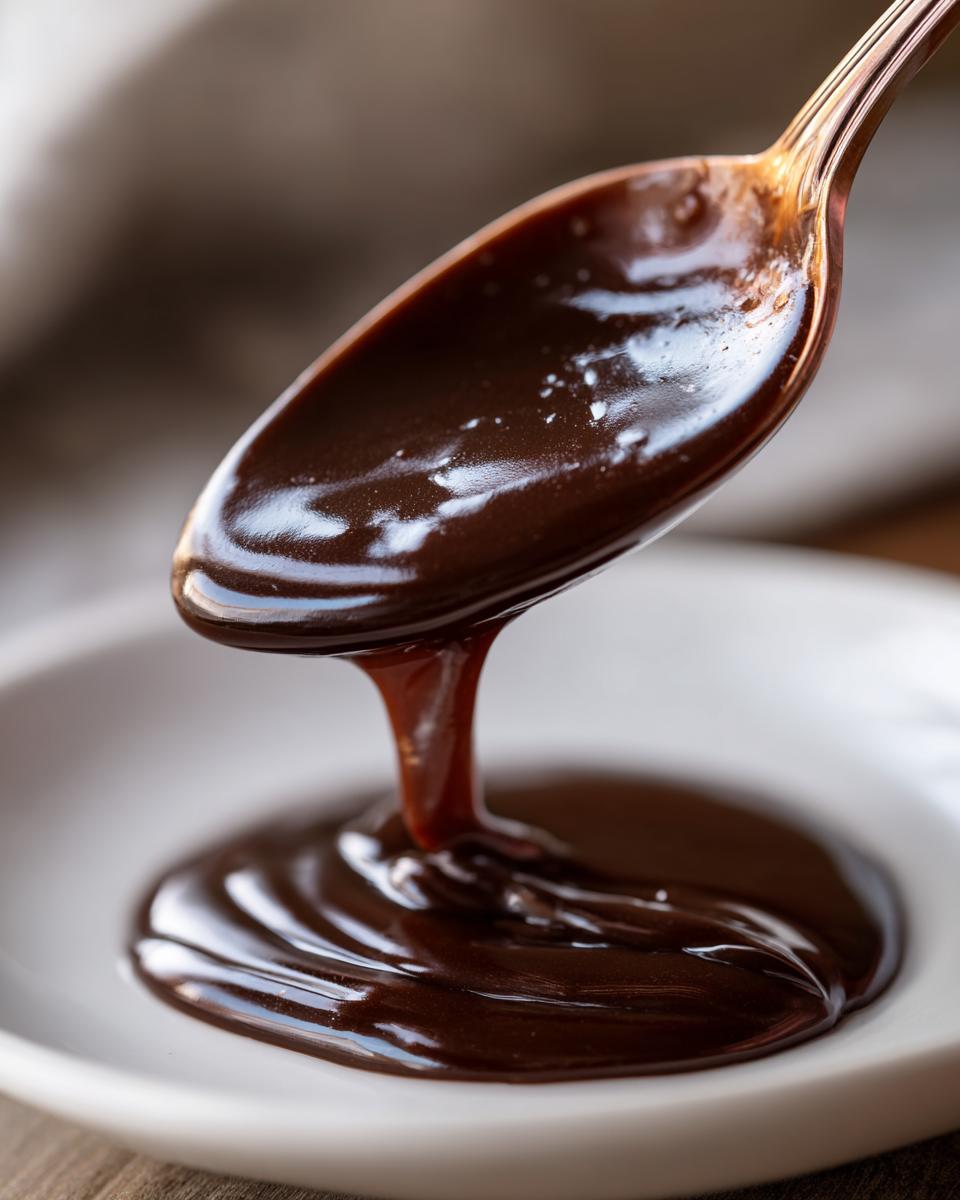
Ingredient Substitutions for Homemade Gravy Recipe
While butter is king for flavor, I know many of us cook for different needs. If you need to swap out the butter, you can definitely use an equal amount of a neutral oil, perhaps avocado or canola oil. It won’t give you that same rich, milky depth, but it works perfectly well for the roux base. When it comes to broth, low-sodium beef broth is my favorite for the deepest flavor profile, but if you’re keeping this vegetarian, swap it completely for a high-quality vegetable broth. Even better? If you have some leftover deep, roasted chicken broth, that works like a charm too! For those who want the deepest possible color without extra salt, you can sneak in a tiny bit more of that dark soy sauce, sourced from great recipes like the one you can find here.
Serving Suggestions for Your Quick Dinner Gravy
My favorite thing about having this incredibly easy-to-make gravy on hand is that it instantly elevates *everything*. Honestly, I keep a batch of this on the side during the week just for emergencies. Last Tuesday, I was running late after work, and all I had was some leftover baked chicken and a bag of instant mashed potatoes—crisis averted! A generous pour of this rich, homemade gravy turned that sad plate into something truly delicious.
Of course, it is the supreme mashed potato topping, but please don’t stop there! Try it spooned over meatloaf—it makes it taste like Sunday dinner, even on a Wednesday. It’s also fantastic on simple roasted root vegetables, brushed over biscuits before serving, or poured over thinly sliced leftover roast beef for a quick French dip sandwich feel. It truly is the workhorse of comfort food sauces.
If you are looking for more ways to get this flavor bomb into your life, I saw this post suggesting it over fried chicken, which sounds amazing!
Storage and Reheating Instructions for Homemade Brown Gravy
Just like any good homemade sauce, this gravy tastes even better the next day because all those wonderful spices have had more time to mingle! Storage is super simple, but handling the leftovers requires knowing one key trick about gravy that uses flour for thickening.
You can absolutely keep this rich topping in the fridge. Pop it into an airtight container—a mason jar works perfectly for me—and it should last a good three to four days tucked away in there. Because we used a roux base here, you’ll notice it gets quite stiff or even jelly-like once it chills completely. Don’t panic; that is totally normal for a flour-thickened sauce!
The Secret to Reheating Without Lumps
When you go to reheat it, whether on the stovetop or in the microwave, you *must* add liquid first. If you just heat it as-is, it’s going to seize up and stubbornly refuse to become pourable.
Start by scooping the chilled gravy right back into your saucepan where you made it. Add in a splash of warm water or, if you have it handy, some warm beef broth. Start warming it over medium-low heat while whisking gently. Keep whisking and adding tiny splashes of warm liquid until that thick mass loosens up and returns to that beautiful, velvety texture you loved when you first made it. This usually takes about 5 to 7 minutes on the stove!
Microwave Reheating Tips
If you’re just heating up a single serving for your mashed potatoes, the microwave is faster. Scoop the amount you need into a microwave-safe bowl, add that splash of warm broth or water, and give it a good stir before you even turn the microwave on. Heat it in 30-second bursts, stirring well in between each burst. This prevents those hot spots where the gravy suddenly boils over. It’s all about gentle coaxing back to temperature!
Frequently Asked Questions About Gravy Without Drippings
I know when you’re trying to master a new technique, like making brown gravy from scratch without relying on meat drippings, you’re going to have questions! That’s totally okay. It’s all part of the fun of ditching the packets and mastering simple stovetop sauces. I’ll clear up a few things I get asked all the time about making this the best homemade gravy. If you ever have a question you can’t find an answer to, feel free to reach out via our contact page!
Do I really have to cook the roux that long?
Yes, you really do! For homemade brown gravy, you need to cook that flour and butter mixture for at least 2 to 3 minutes over medium heat. If you pull it too soon, you’ll end up with a runny, slightly raw-tasting sauce. We are looking for that deep, nutty brown color—the darker the roux, the richer your final flavor will be, which is essential for a great easy brown gravy when we skip the drippings.
Can I use cornstarch instead of flour for thickening?
You absolutely can use cornstarch, but it changes the texture slightly. Flour gives you that classic, slightly heavy, and velvety coating that clings beautifully to your potatoes. If you use cornstarch, you create a ‘slurry’ (which I mentioned in the tips!) and add it at the very end. Cornstarch results in a glossier, slightly more translucent final sauce, while flour gives you that opaque, traditional look.
How can I make the gravy even darker if I don’t like the color?
That dark soy sauce we added is already helping, but if you want *deeper* color without making it salty, you have two options! First, cook your roux even longer until it’s almost dark brown—but watch it like a hawk! Second, a small dash of food-grade cocoa powder (unsweetened!) mixed into the dry ingredients can deepen the color and add zero flavor. For more tips on achieving deep, restaurant-quality flavor, check out this great resource here!
What if my gravy turns out too thick?
If you’re aiming for an amazing Mashed Potato Topping consistency, thickness is crucial! If it’s too thick after simmering, don’t sweat it. Just reheat it slowly while whisking in a tablespoon or two of warm water or broth until it loosens up. We want a nice pourable consistency, not something you need a shovel for!
Estimated Nutritional Snapshot for This Easy Brown Gravy
I know that when we are cooking for ourselves and our families, we often wonder what exactly is going into these delicious comfort foods. Since this recipe is built from simple, whole ingredients—butter, flour, and broth—it’s quite straightforward! Please keep in mind that all the values below are just estimates based on the ingredients listed in the recipe card above.
This is just a rough guide, especially since the exact sodium content depends heavily on the brand of beef broth you choose to use!
- Serving Size: 1/2 cup
- Calories: 110
- Fat: 8g (including 5g Saturated Fat)
- Carbohydrates: 7g
- Protein: 2g
- Sodium: 350mg (This is the number that will fluctuate the most!)
See? Not bad at all for a sauce that tastes this rich and satisfying! It’s really that perfect side kick that makes your simple dinner feel special without weighing you down, which is exactly what I strive for here at MayaPlate.
Share Your Homemade Gravy Recipe Success
And just like that, your amazing, rich, homemade brown gravy is ready to hit the table! I really, truly hope this recipe brings that same warm, comforting feeling to your kitchen that it brings to mine. It makes even the quickest weeknight meal feel like a labor of love, and you did it all from scratch!
Now, I’d absolutely love to know how it turned out for you. Did the roux get nice and dark? Did it pour perfectly over those mountains of mashed potatoes you were probably making? Please take a second to drop a star rating right below this section—it helps other busy cooks find this reliable, drippings-free recipe, which is so important!
Tell me in the comments: What delicious comfort food did you drown in this savory sauce? Seriously, I’m always looking for new ideas! Maybe you tried it over meatloaf or even smothered some simple chicken. Don’t be shy—share your delicious victory! For more inspiration on making weeknight meals unforgettable, check out this great post on beef gravy alternatives here.
PrintThe Ultimate Homemade Brown Gravy (No Drippings Needed!) – Rich & Savory Perfection

Make rich, velvety brown gravy from scratch using simple ingredients. This easy stovetop recipe relies on a perfectly browned roux and quality broth for deep flavor, making it ideal for mashed potatoes or roasted meats without needing meat pan drippings.
- Prep Time: 5 min
- Cook Time: 15 min
- Total Time: 20 min
- Yield: About 3 cups 1x
- Category: Sauce
- Method: Stovetop
- Cuisine: American
- Diet: Vegetarian
Ingredients
- 4 tablespoons unsalted butter
- 4 tablespoons all-purpose flour
- 2 cups low-sodium beef broth
- 1 cup water
- 1 teaspoon onion powder
- 1 teaspoon garlic powder
- 1 teaspoon Worcestershire sauce
- 1/2 teaspoon dried thyme
- 1/2 teaspoon salt, or to taste
- 1/4 teaspoon black pepper, or to taste
- 1/4 teaspoon dark soy sauce (for color and depth)
Instructions
- In a medium saucepan, melt the butter over medium heat.
- Whisk the flour into the melted butter. Continue whisking constantly for 2 to 3 minutes until the mixture (the roux) turns a deep, nutty brown color. Do not let it burn.
- Gradually whisk in the beef broth, ensuring no lumps form.
- Add the water, onion powder, garlic powder, Worcestershire sauce, thyme, salt, pepper, and soy sauce.
- Increase the heat to medium-high and bring the mixture to a simmer, whisking often.
- Once simmering, reduce the heat to low and cook for 5 to 8 minutes, or until the gravy thickens to your desired consistency. Stir frequently to prevent sticking.
- Taste the gravy and adjust salt and pepper as needed.
- Remove from heat and serve immediately over your favorite comfort foods.
Notes
- For a deeper beef flavor without drippings, use high-quality, low-sodium beef broth.
- If the gravy is too thick, whisk in a tablespoon of warm water or broth at a time until it reaches the right consistency.
- If the gravy is too thin after simmering, create a slurry by mixing 1 teaspoon of cornstarch with 1 tablespoon of cold water, then whisk it into the simmering gravy until thickened.
Nutrition
- Serving Size: 1/2 cup
- Calories: 110
- Sugar: 1
- Sodium: 350
- Fat: 8
- Saturated Fat: 5
- Unsaturated Fat: 3
- Trans Fat: 0
- Carbohydrates: 7
- Fiber: 0
- Protein: 2
- Cholesterol: 20