

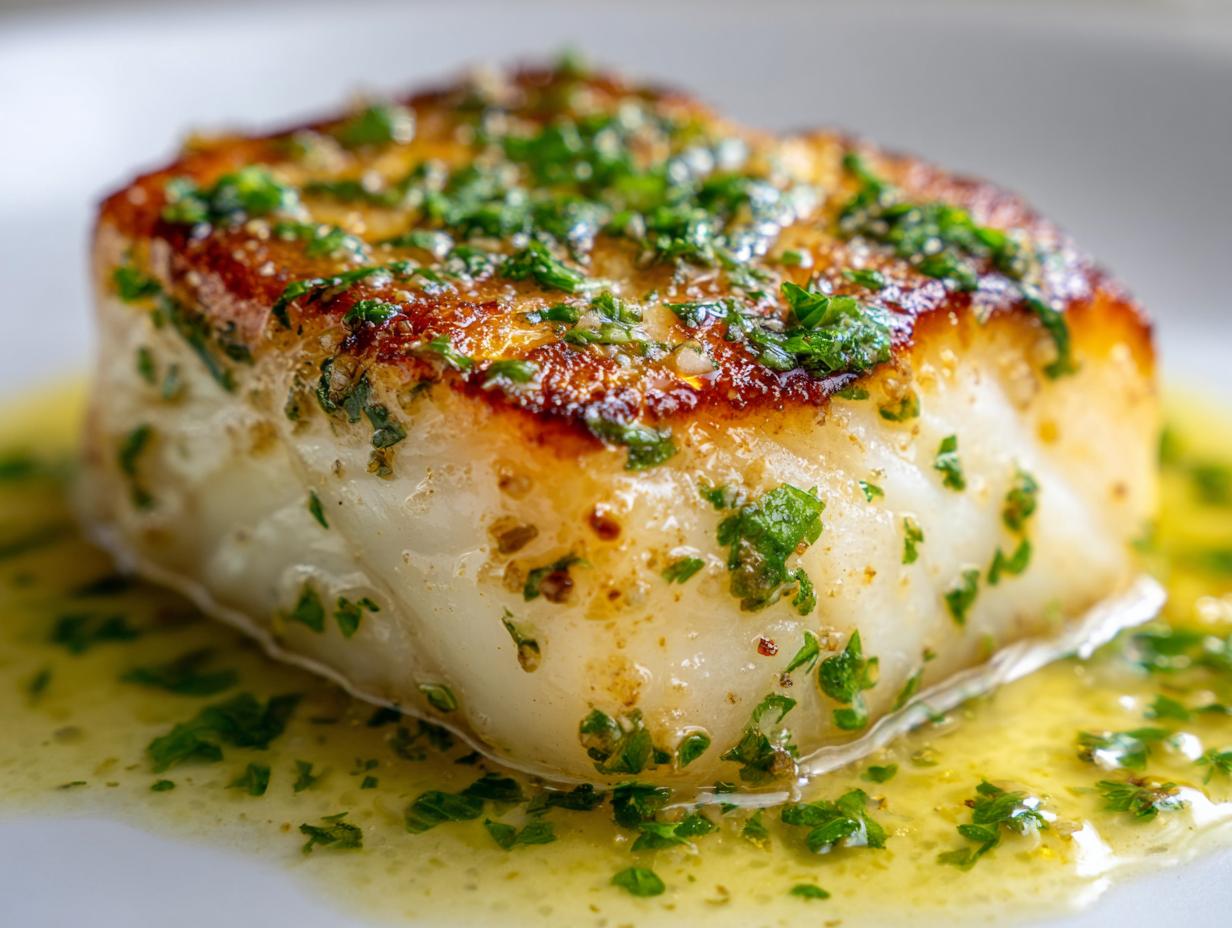
When I was first developing MayaPlate, I wanted to prove that luxury food doesn’t need a Michelin star or an hour of prep time. If you’ve ever looked at a restaurant menu and sighed at the price of Chilean Sea Bass, I have wonderful news for you! This Chilean Sea Bass recipe is my absolute favorite for delivering that amazing, buttery, melt-in-your-mouth fish texture that usually costs a fortune.
As someone with a background in nutrition, I’m obsessed with getting maximum flavor on the plate while keeping things genuinely practical. My goal here is simple: guide you, step-by-step, through the perfect pan-sear so you have that truly gourmet weeknight dinner ready faster than you can decide on a takeout order. You can read more about my journey and why balance is so important to me on the About Page. Trust me, this technique is a game-changer!
- Why This Pan-Seared Chilean Sea Bass Recipe Delivers Restaurant Quality
- Ingredients for the Best Chilean Sea Bass Recipe
- How to Prepare Your Restaurant-Style Chilean Sea Bass
- Expert Tips for the Perfect Chilean Sea Bass Recipe Every Time
- Ingredient Notes and Substitutions for Your Buttery Fish Recipe
- Serving Suggestions for an Elegant Seafood Dinner Ideas
- Storage and Reheating Instructions for Leftover Chilean Sea Bass Recipe
- Frequently Asked Questions About This Chilean Sea Bass Recipe
- Sharing Your Experience with This Simple Seafood Entree
Why This Pan-Seared Chilean Sea Bass Recipe Delivers Restaurant Quality
I know what you’re thinking: Chilean Sea Bass at home? Isn’t that super complicated? Absolutely not! That’s the beauty of this method. We skip complicated baking times and focus entirely on the sear. This technique turns what seems like fine dining into a Quick gourmet dinner that feels absolutely decadent.
The main reason this works is mastering the heat transfer. We use high heat just long enough to build that beautiful crust, then immediately drop the temperature. This technique means you get proper Restaurant style seafood at home without drying out that gorgeous, pricey fillet. It’s the perfect balance!
Achieving That Melt in Your Mouth Fish Texture
The biggest fear with any delicate fish is overcooking it. If you cook it too long, goodbye buttery texture! Our process is fast—under 15 minutes total cooking time. We rely on a quick sear followed by residual heat to finish the center. This gentle encouragement leaves you with genuinely melt in your mouth fish that flakes perfectly when you touch it.
The Secret to Crispy Skin Fish Recipe Success
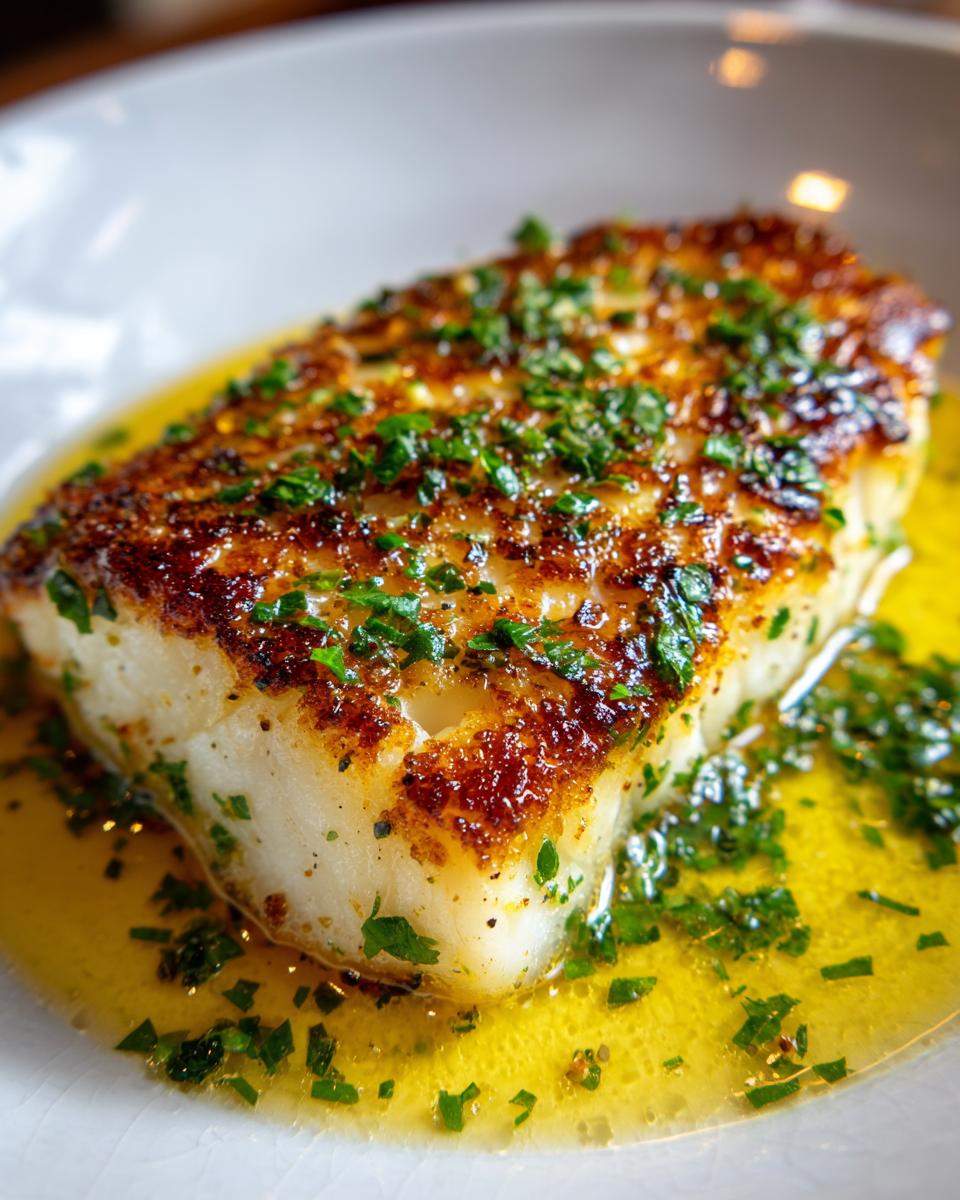
If you’re using skin-on fillets (and I suggest you try!), the secret to a genuinely crackly, amazing Crispy skin fish recipe success lies in one thing: dryness. Seriously, ditch the wet fish! Before anything touches that skillet, you must pat the entire fillet dry with paper towels—I mean bone dry. This initial dryness allows the hot oil and butter to get straight to work forming that gorgeous golden crust. Get the pan hot first, like, really hot, before easing the fish in. Do that, and you’ve cracked the code for my entire Chilean Sea Bass recipe!
Ingredients for the Best Chilean Sea Bass Recipe
Okay, you’re ready to make this happen! For the absolute best buttery results, you can’t skimp on ingredient quality, but wow, the list is short! We’re keeping this simple so the gorgeous flavor of the fish shines through. This short ingredient list is key to making this the ultimate Chilean Sea Bass recipe you’ll use over and over.
Here’s what you need to grab:
- 2 (6 ounce) Chilean Sea Bass fillets, about 1 inch thick (If yours are thicker, don’t fret, we’ll cover that later!)
- 1 tablespoon olive oil (For that initial sear magic)
- 1 tablespoon unsalted butter (Just a little starter butter for the pan)
- Salt and black pepper to taste (Be generous with the salt here!)
- 2 cloves garlic, finely minced (Smaller pieces are better so they don’t burn in the sauce)
- 1/4 cup dry white wine or chicken broth (Your choice for deglazing!)
- 2 tablespoons fresh lemon juice (Must be fresh—it makes all the difference)
- 4 tablespoons cold unsalted butter, cut into 4 small cubes (Make sure this is cold for the sauce!)
- 1 tablespoon fresh parsley, chopped (For that pop of color at the end)
How to Prepare Your Restaurant-Style Chilean Sea Bass
This is where the magic really happens! We’re going to transform those beautiful fillets into something truly spectacular using the pan-seared method. Remember, speed is key here if you want that perfect texture. If you’ve ever tried making a decadent sauce like this lemon garlic butter, you know the timing has to be just right. We keep everything moving quickly so that when you finish this process, you have your incredible Chilean Sea Bass recipe on the plate in about 20 minutes total!
Preparing the Fish and Initial Pan Seared Sea Bass Technique
First things first: we must make the fish dry. Grab those paper towels and pat those beautiful fillets until they feel almost dusty. Moisture is the enemy of the sear! Season them up nicely with salt and pepper right after you’ve dried them. Next, grab your biggest, oven-safe skillet and place it over medium-high heat. Add the olive oil and that tablespoon of butter, and wait for the butter foaming—that tells you the pan is ready. Now, carefully place the fish down presentation-side first.
Here’s the biggest rule for the Pan Seared Sea Bass technique: Once it’s down, do not move it for 4 to 5 minutes. You absolutely need that time to build that deep golden crust. After 5 minutes, gently flip it and knock the heat down to medium-low. Cook for just 2 or 3 more minutes until it’s mostly cooked, then pull the pan off the heat and cover the fish loosely with foil while you tackle the sauce.
Making the Lemon Garlic Butter Sauce for this Chilean Sea Bass Recipe
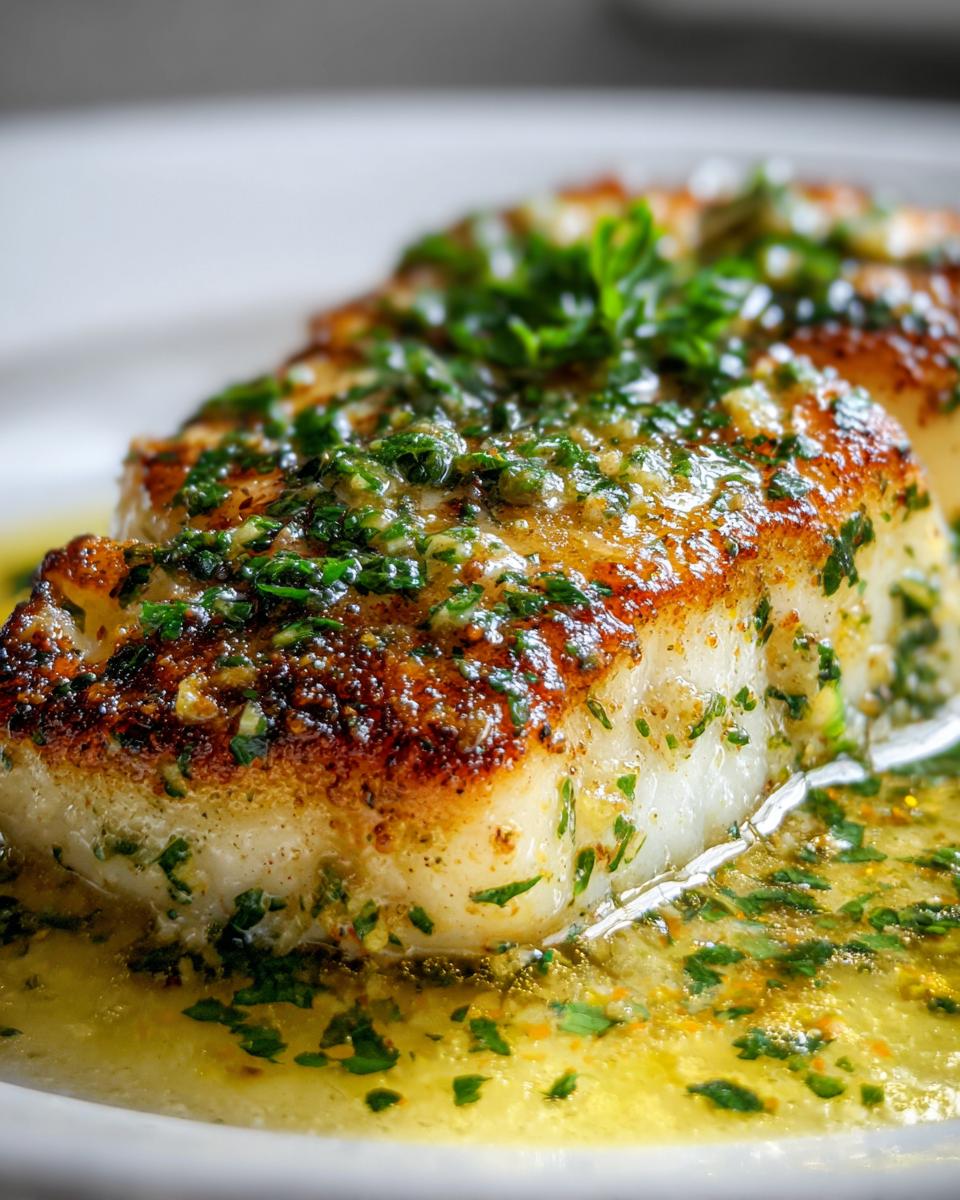
Keep the pan on the stove, but make sure the heat is low or off completely. Drop in your minced garlic and cook it for maybe 30 seconds until you can really smell it—but don’t let it burn, or your sauce will taste bitter! Now, pour in the white wine or broth and let it bubble for just one minute, scraping up all those tasty browned bits from the bottom of the pan; that’s called deglazing, and it adds so much flavor.
Crucially, pull the pan completely off the heat again before adding the cold butter cubes. Whisk those cubes in, one at a time, waiting until one melts before adding the next. This technique keeps the sauce smooth and thick—it emulsifies! If you let it boil after the cold butter goes in, you’ll end up breaking the sauce. Once it’s creamy and smooth, whisk in your fresh lemon juice and parsley. Taste it! Adjust the salt and pepper, spoon that gorgeous sauce right over your fish, and get it on the table fast!
Expert Tips for the Perfect Chilean Sea Bass Recipe Every Time
I want you to walk away from this knowing you can nail this every single time. Seriously, achieving that perfect texture in a Buttery Fish recipe like this comes down to a few non-negotiables I learned through trial and error. The most important thing, as I mentioned before, is making sure those fillets are bone dry. If they’re damp, they steam instead of sear, and you miss out on that incredible golden crust you’re looking for.
If you happen to grab fillets that are thicker than an inch—sometimes you just find the perfect piece!—don’t panic about pulling them off the heat too soon. You’ll sear them on both sides as directed for that beautiful color, but you might need to give them a little oven nudge. After the sear, pop the whole oven-safe skillet into a 400-degree oven for just three to five extra minutes. This gentle finish cooks the center through perfectly without burning up the outside. That’s my insider secret for the absolute best Chilean Sea Bass recipe outcome!
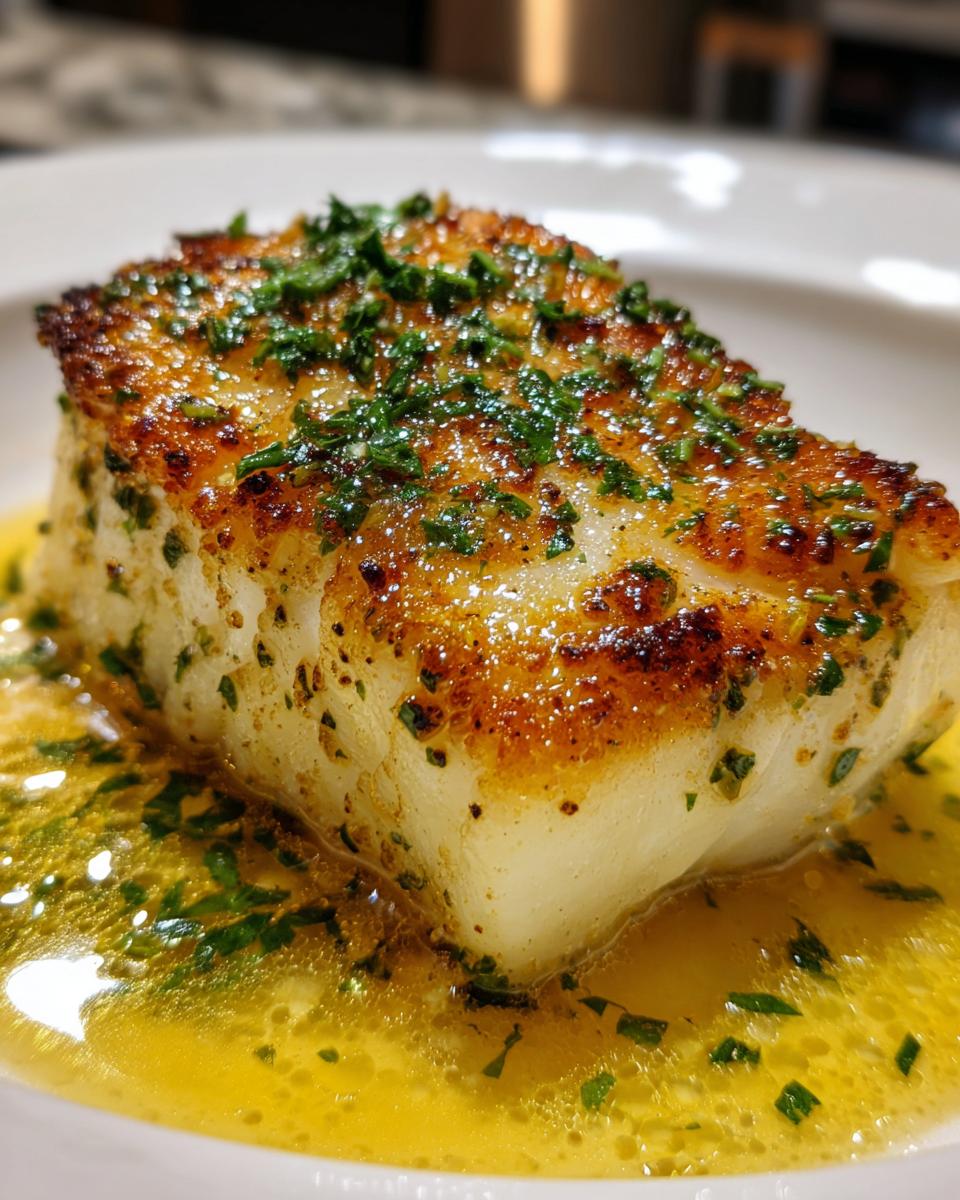
Also, remember the pan needs to be hot before the fish goes in, but the sauce-making needs to happen over *low* heat. Getting that temperature switch right is how we nail the restaurant quality every time.
Ingredient Notes and Substitutions for Your Buttery Fish Recipe
I get asked all the time about substitutions, and since this recipe relies on that rich, buttery flavor, we need to be smart about what we swap out, and what we absolutely cannot touch! The flavor profile here is classic and clean, meant to highlight the fish, so bold changes can sometimes confuse the palate.
Let’s talk about the liquid first. If you aren’t using dry white wine—maybe you don’t keep wine on hand, or you just prefer not to cook with it—high-quality chicken broth works great as a substitute. It adds depth when deglazing without bringing too much sweetness. Just watch the salt if you use broth, because it can sometimes be saltier than wine.
When making that glorious sauce, remember that cold butter is non-negotiable! You want those cubes ice-cold before you whisk them in off the heat. Warm butter will melt instantly and create an oily mess rather than that smooth, velvety emulsion we are aiming for. This is the trickiest part of making a truly Buttery Fish recipe that tastes like it came from a high-end steakhouse.
As for the parsley, fresh is so much better for that final brightness, but if you’re truly in a pinch, dried parsley works in a pinch; just use about a third of the amount listed. But please, please try to use fresh garlic; roasted garlic powder just won’t give you that sharp little punch we need right before we add the lemon juice. It’s these little details that elevate a simple seafood entree into something truly special!
Serving Suggestions for an Elegant Seafood Dinner Ideas
Now that you’ve mastered the fish and you have that incredible lemon garlic butter sauce pooling gracefully around it, the plate needs some friends! We want the entire presentation to scream Elegant seafood dinner ideas without making you cook for another hour. Think simple, bright sides that cut through the richness of that buttery, flaky sea bass. You want texture contrast!
For starch, skip the heavy starches. Jasmine rice is fantastic because it absorbs that sauce beautifully without overpowering the delicate fish flavor. If you’ve got a little more time, my recipe for perfectly crispy potatoes is a showstopper—the crispy outside plays wonderfully against the melt-in-your-mouth fish.
When it comes to vegetables, steam or roast is the way to go. Asparagus is a classic companion; a quick blanching or roasting with a tiny bit of salt keeps it vibrant green and easy. If you prefer greens, keep it simple: tender-crisp broccoli or even some slightly bitter sautéed spinach balances the fat from the butter perfectly. The goal is to make the meal feel balanced, healthy, and absolutely gorgeous on the plate. Honestly, even a simple, crisp side salad with a light vinaigrette can do the trick when you want that pop of acidity!
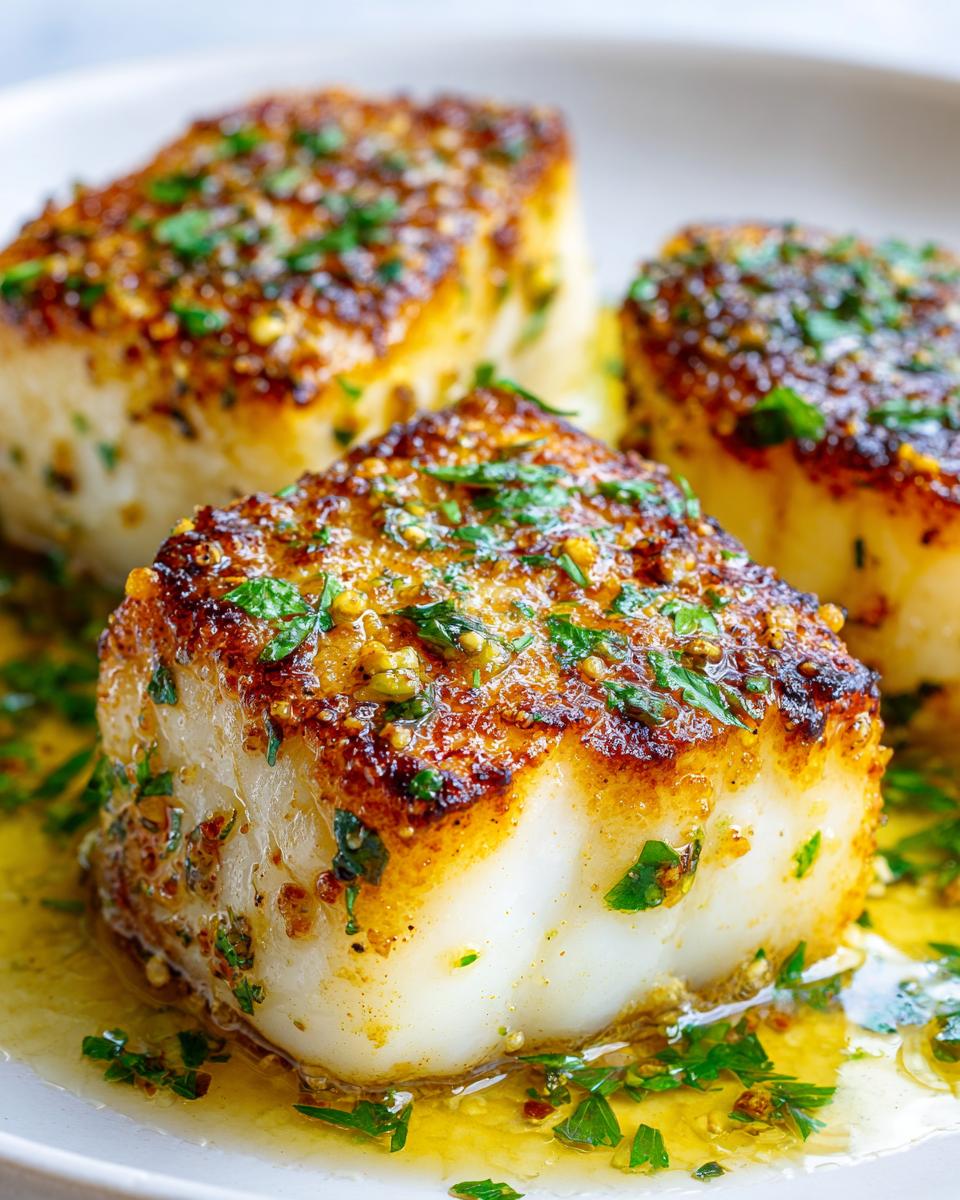
Storage and Reheating Instructions for Leftover Chilean Sea Bass Recipe
If, by some miracle, you have leftovers of this incredible dish—and believe me, it’s hard to stop eating it!—you need to store it correctly. My top tip for any Easy Sea Bass recipe is to keep the fish and the lemon garlic butter sauce separate. Store the fish in an airtight container in the fridge for up to two days. The sauce can go right next to it.
When reheating your Chilean Sea Bass recipe leftovers, skip the microwave if you can. The best way to warm that fish gently is low and slow in a covered pan on the stovetop with just a splash of broth or water. Warm the sauce separately over very low heat, whisking until just smooth. You want to warm it up, not cook it further or boil those beautiful butter fats!
Frequently Asked Questions About This Chilean Sea Bass Recipe
It’s natural to have questions when you’re working with a beautiful piece of fish like sea bass! I tried to cover every possible hiccup in the steps above, but I always love hearing from you over on the Contact Page!
I’ve put together a few things I usually get asked after people try out this show-stopping Easy Sea Bass recipe for the first time. Understanding these little details takes all the guesswork out of making a gourmet dinner!
Can I use a different cooking method for this Chilean Sea Bass recipe, like baking or air frying?
You absolutely can! While I stand by pan-searing for that incredible crust, if you need a hands-off approach, baking works beautifully—especially foil-baked versions with plenty of liquid for moisture. Air frying gives you that crispiness too, perfect if you’re looking for a healthier take. Just know that when you skip the pan sear, you miss that specific buttery, textured crust we worked so hard for in this specific Chilean Sea Bass recipe!
How do I know when the fish is perfectly cooked?
This is the most important cooking question! The FDA recommends an internal temperature of 145°F, but honestly, I often pull fish off the heat closer to 140°F because it keeps cooking slightly after you take it out of the pan. You’ll notice the fillets start to turn opaque throughout. The best indicator, though, is visual: take a fork and gently press down on the thickest part. If the fish flakes apart easily with just a little pressure, it’s done! If it’s still gummy or resisting the fork, it needs another minute. We want tender, not tough!
What is the secret to making this recipe taste like I ordered it at a restaurant?
It all comes down to two things: properly drying the fish for the sear, and using those final cubes of cold butter to finish the sauce. When you swirl in that cold butter *off the heat*, you create a rich, shiny emulsion that tastes incredibly complex and luxurious. That small step is the difference between good pan-seared fish and true Restaurant style seafood at home. It’s simple physics, but it delivers gourmet results!
Sharing Your Experience with This Simple Seafood Entree
Okay, you’ve done it! You’ve managed to get that stunning, buttery, restaurant-quality sea bass on your table, and I am so excited for you. This entire process is why I created MayaPlate—to show that phenomenal cooking doesn’t require hours of stress behind the stove.
Now that you’ve tried mastering this Simple seafood entree, I really want to know how it went! Please scroll down and leave a quick rating for the recipe. Your feedback genuinely helps others who are wondering if they can pull off a dish that feels this special on a Tuesday night.
Did you manage to get that skin super crispy? Did you try using the broth instead of wine in your sauce? I love hearing all the little variations people try. And if one of your inspirations for giving this a go was trying to nail that famous texture you get from places like Ruth’s Chris or maybe trying to channel your inner Ina Garten Sea Bass moment, please mention that in the comments!
Take a quick photo if you can and tag me! Seeing those perfect, flaky fillets land on your dinner table is honestly the best part of my day. Go ahead and share your success!
PrintRestaurant-Style Pan-Seared Chilean Sea Bass with Lemon Garlic Butter
Make this buttery, flaky Chilean Sea Bass at home. This pan-seared method delivers a crispy skin and tender interior, finished with a simple lemon garlic butter sauce for a gourmet weeknight dinner.
- Prep Time: 5 min
- Cook Time: 15 min
- Total Time: 20 min
- Yield: 2 servings 1x
- Category: Dinner
- Method: Pan-Searing
- Cuisine: American
- Diet: Low Fat
Ingredients
- 2 (6 ounce) Chilean Sea Bass fillets, about 1 inch thick
- 1 tablespoon olive oil
- 1 tablespoon unsalted butter
- Salt and black pepper to taste
- 2 cloves garlic, minced
- 1/4 cup dry white wine or chicken broth
- 2 tablespoons fresh lemon juice
- 4 tablespoons cold unsalted butter, cut into cubes
- 1 tablespoon fresh parsley, chopped
Instructions
- Pat the sea bass fillets completely dry using paper towels. Season both sides generously with salt and pepper. This step helps achieve crispy skin.
- Place a large, oven-safe skillet over medium-high heat. Add the olive oil and 1 tablespoon of butter. Wait until the butter melts and begins to foam.
- Carefully place the sea bass fillets skin-side down (if skin is present) or presentation-side down in the hot skillet. Sear undisturbed for 4 to 5 minutes until a deep golden-brown crust forms.
- Gently flip the fish. Reduce the heat to medium-low. Cook for another 2 to 3 minutes. The fish should be mostly cooked through but still slightly opaque in the center.
- Remove the skillet from the heat. Transfer the fish to a plate and tent loosely with foil to keep warm.
- Return the skillet to low heat. Add the minced garlic and cook for 30 seconds until fragrant. Do not let the garlic burn.
- Pour in the white wine or broth to deglaze the pan, scraping up any browned bits from the bottom. Let it simmer and reduce slightly for 1 minute.
- Remove the skillet from the heat again. Whisk in the cold butter cubes, one cube at a time, until the sauce emulsifies into a smooth, thick sauce. Do not let the sauce boil after adding the butter.
- Stir in the fresh lemon juice and chopped parsley. Taste the sauce and add salt and pepper if needed.
- Spoon the lemon garlic butter sauce generously over the pan-seared Chilean Sea Bass fillets. Serve immediately for a melt-in-your-mouth fish experience.
Notes
- For the best sear, make sure your pan is hot before adding the fish, and do not move the fish while it is searing on the first side.
- If your fillets are thicker than 1 inch, you may need to finish them in a 400 degree F oven for 3 to 5 minutes after searing both sides.
- This dish pairs well with roasted asparagus or simple jasmine rice.
Nutrition
- Serving Size: 1 fillet
- Calories: 450
- Sugar: 1
- Sodium: 350
- Fat: 30
- Saturated Fat: 15
- Unsaturated Fat: 15
- Trans Fat: 0
- Carbohydrates: 2
- Fiber: 0
- Protein: 40
- Cholesterol: 110