

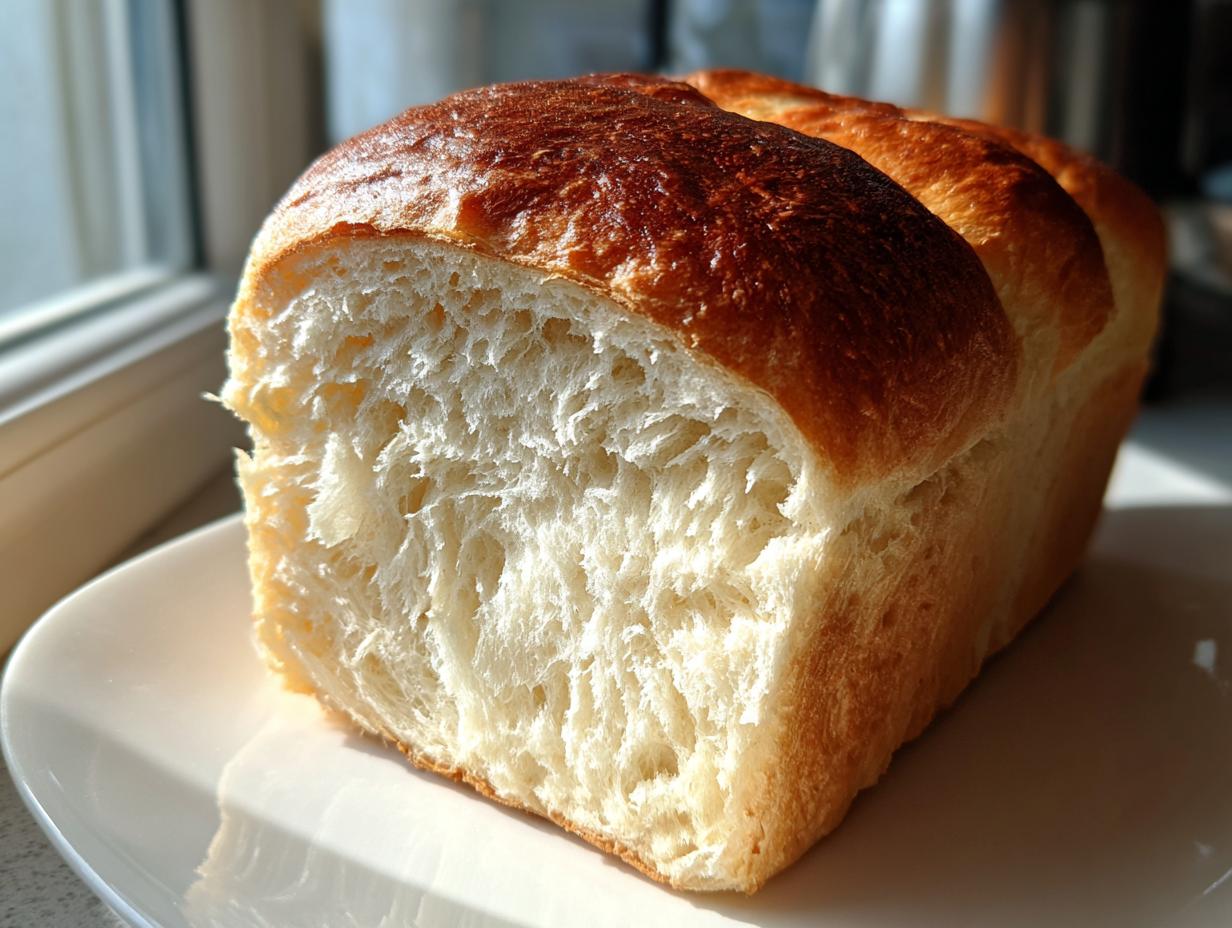
I don’t know about you, but sometimes I just need that one perfect bite. You know the one—the bread so soft and fluffy it practically melts the second it hits your tongue? That’s exactly what I was chasing when I first started digging deep into Asian bakery secrets. Forget dry, crumbly homemade loaves; we are aiming for Bakery Style Bread at Home. Trust me when I say that once you master this recipe for Japanese milk bread using the clever Tangzhong technique, you won’t look back. This loaf is my answer for those days when I need that comforting, warm nostalgia, but don’t have all afternoon to fuss over yeast. It’s reliable, and the texture is just beyond comparison. If you want to know more about why I started MayaPlate seeking these practical yet meaningful recipes, you can always check out my story here.
- Why This Japanese Milk Bread Recipe Delivers Cloud Soft Loaf Perfection
- Gathering Ingredients for Your Tender Milk Bread Dough
- Step-by-Step How to Make Milk Bread Using the Tangzhong Bread Method
- Tips for Success Making Your Milk Bread
- Variations on the Classic Milk Bread
- Serving Suggestions for Your Sweet Bread for Toast
- Storage and Reheating Instructions for Soft Milk Bread
- Frequently Asked Questions About Milk Bread
- Understanding the Nutrition of Your Homemade Milk Bread
Why This Japanese Milk Bread Recipe Delivers Cloud Soft Loaf Perfection
The secret weapon here, and what separates this recipe from any other soft bread you’ve tried, is the Tangzhong method. Honestly, using this technique is like giving your flour a spa treatment! It involves cooking a small portion of the flour and liquid together first, which gelatinizes the starch.
What that means for you is pure magic: maximum moisture retention. This process is what guarantees a true Cloud Soft Loaf that stays incredibly soft for days. We aren’t just making basic dough; we are engineering the fluffiest texture possible. If you love incredibly Fluffy Homemade Bread, this Shokupan is your blueprint for success. You can see how other techniques work in my cookie post, but for bread, Tangzhong is the king!
Gathering Ingredients for Your Tender Milk Bread Dough
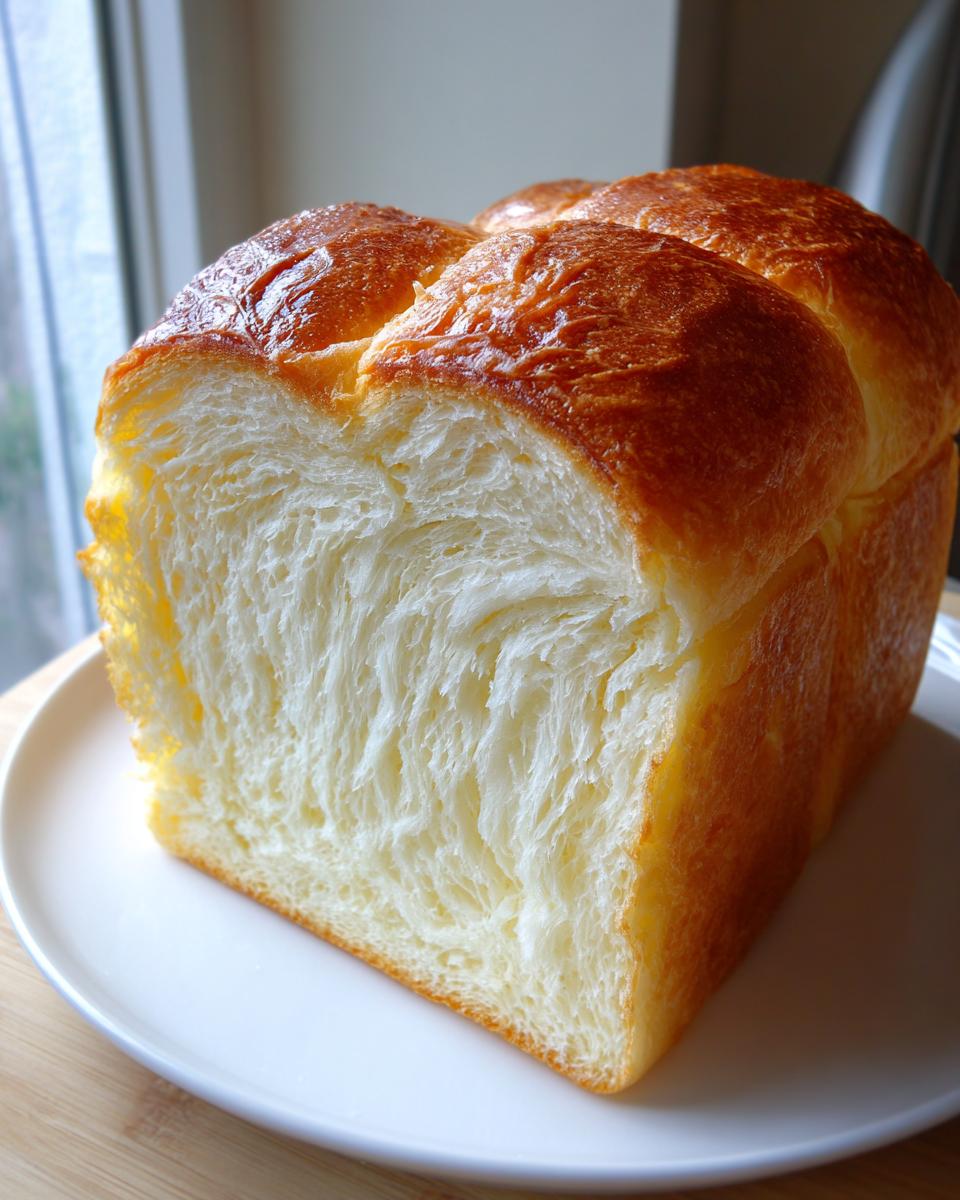
Okay, gathering the ingredients is where we set the stage for that incredible, tender milk bread texture. Don’t stress about a huge shopping list; even though we’re aiming for bakery quality, these ingredients are pretty straightforward. The most important thing is organization!
For the Tangzhong paste, you just need 30g of bread flour and 150g of nice whole milk—it really makes a difference. Then, for the main dough, make sure your butter is softened and your egg is at room temperature. I also want you to note that for an extra splash of richness and tenderness, you can swap out 50g of the regular milk in the main mix with sweetened condensed milk. It gives the dough a lovely sweetness, too! For all the specifics, look over the full list below, and remember, the Tangzhong needs to be completely cool before we move on. If you want tips on keeping other bakes moist, check out my buttermilk cake recipe for inspiration!
- 100g Milk (whole milk recommended)
- 50g Granulated Sugar
- 1/2 tsp Salt
- 1 packet (7g or 2 1/4 tsp) Active Dry Yeast
- 40g Unsalted Butter, softened
- 1 large Egg
- 280g Bread Flour
- 50g Whole Milk, warmed slightly (for proofing)
- Tangzhong: 30g Bread Flour
- Tangzhong: 150g Milk (whole milk recommended)
Step-by-Step How to Make Milk Bread Using the Tangzhong Bread Method
Okay, now for where the real fun begins! Making milk bread isn’t hard, but it needs precision, especially with the activated Tangzhong paste. Just follow these steps closely, and you will be slicing into that amazing soft loaf in no time. I always set my timer when proofing because consistency is key to getting that perfect rise. If you want to see another guide on slow fermentation, check out my thoughts on making sourdough starter!
Preparing the Tangzhong Starter
First things first, we make our magic paste. Whisk that small amount of flour and milk together in a tiny saucepan until everything is smooth—no lumps allowed! You cook this over medium-low heat, stirring constantly. It thickens up fast, looking more like pudding than milk, usually when it hits around 150°F. Once it’s thick, pull it off the heat right away. Cover the top surface directly with plastic wrap—this stops a crust from forming, which ruins the texture. It needs to be totally cool before we mix it with the rest of the ingredients, so get this done first!
Mixing and Kneading the Fluffy Homemade Bread Dough
Time to assemble! In your big bowl, dump in the cooled Tangzhong, the rest of your flour, sugar, and salt. Give it a quick mix. Then, we add the wet stuff: the activated yeast mixture, the egg, and that softened butter. Start mixing on low until it looks messy. Now, increase the speed and let your mixer go for a good 8 to 10 minutes. You are looking for that elastic, smooth dough that can stretch super thin without ripping—that’s the famous windowpane test, and passing it is your promise of a Pillow Soft Bread Recipe.
Proofing and Shaping the Best Milk Bread Loaf
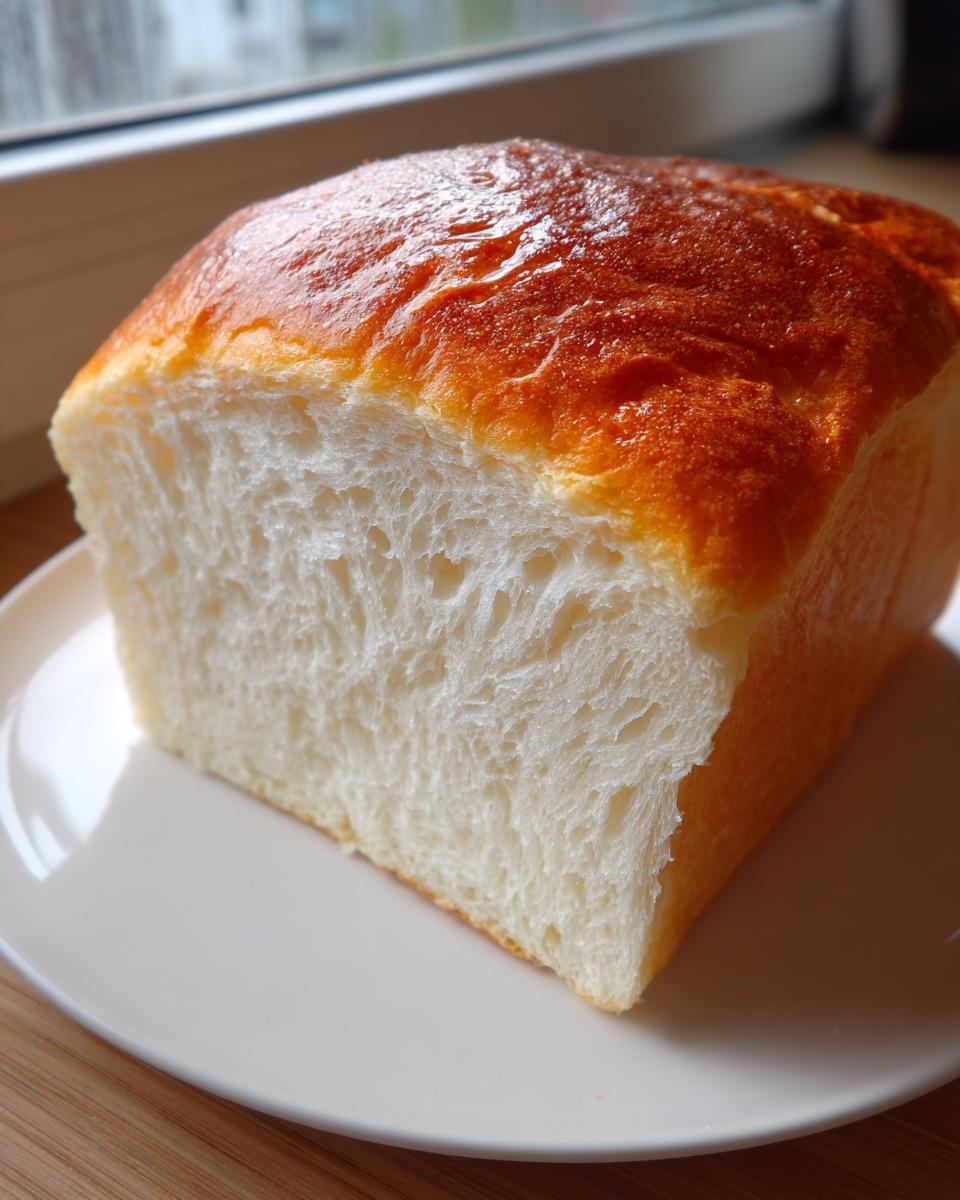
Once kneaded, put the dough in an oiled bowl, turning to coat, and let it rise in a warm place until it doubles in size—that usually takes about 1 to 1.5 hours. Gently punch it down, and then divide it into three equal pieces. Now, for the signature shaping: roll each piece into a tight log. Place the three logs side-by-side in your greased 9×5 inch loaf pan. Cover it again and let it proof a second time until it’s nearly doubled and crowns about 1 inch over the rim—this second proof gives it height! Pop it into a 350°F oven for about 30 to 35 minutes. Don’t forget to brush the top with melted butter while warm for that extra shine!
Tips for Success Making Your Milk Bread
Baking this milk bread is mostly foolproof because of the Tangzhong, but I always have a few secrets tucked away to guarantee that bakery softness. First, if you want to boost that tenderness even more, remember my note about swapping 50g of milk for sweetened condensed milk in the main dough. It adds richness without changing the technique much!
Also, remember that while we want that beautiful golden crust, this is crucial for Moist Bread Baking Tips: you have to let the whole loaf cool completely on a rack before you even *think* about slicing it. If you cut it warm, you compress those lovely air pockets we worked so hard to create, and you lose the cloud-like structure. I know it’s tempting when the house smells this good, but patience really pays off here. You can find my quick dinner inspiration for when you’re waiting for bread to cool, like this stovetop rice recipe!
Variations on the Classic Milk Bread
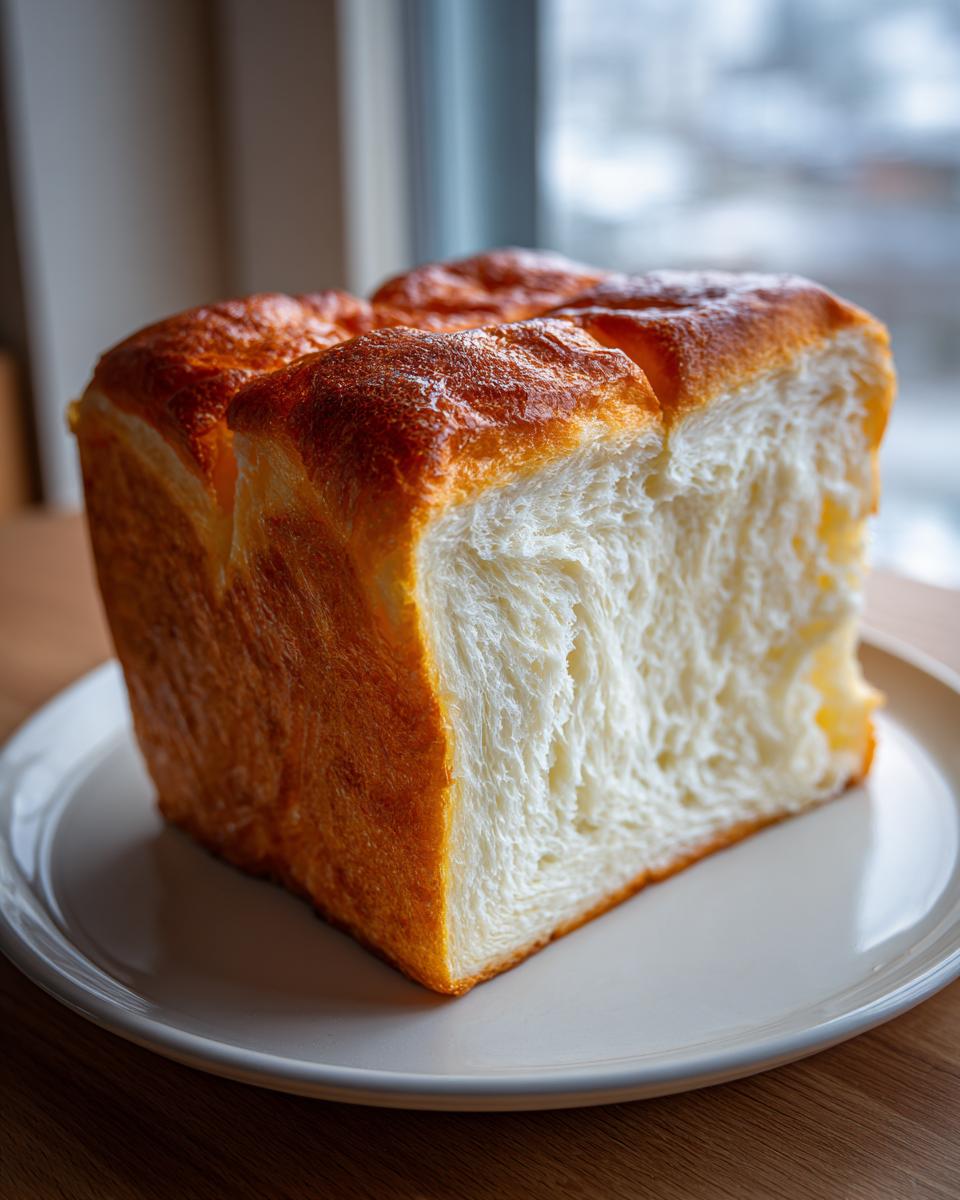
Once you nail this basic milk bread dough, it becomes your canvas! If you want a sweeter treat, try kneading in about three tablespoons of cinnamon sugar right before the final proof. It caramelizes beautifully on the crust. For a nuttier flavor, you could fold in some toasted pecans at the very end. I’ve seen people try swapping out half the bread flour for whole wheat, but honestly, you lose some of that signature pillow softness. If you want to stick to the soft side, try adding flaky sea salt on top or maybe even a brown sugar wash next time you bake!
If you need other sweet bread inspiration that’s a bit different, have a look at my recipe for Sweet Alabama Pecan Bread!
Serving Suggestions for Your Sweet Bread for Toast
Honestly, the best way to enjoy this loaf is simply slicing it thick and slathering it with good salted butter while it’s still slightly warm—oh, that texture! Because this milk bread is already a bit sweet, it shines as the ultimate morning treat. It makes the most incredible base for Sweet Bread for Toast.
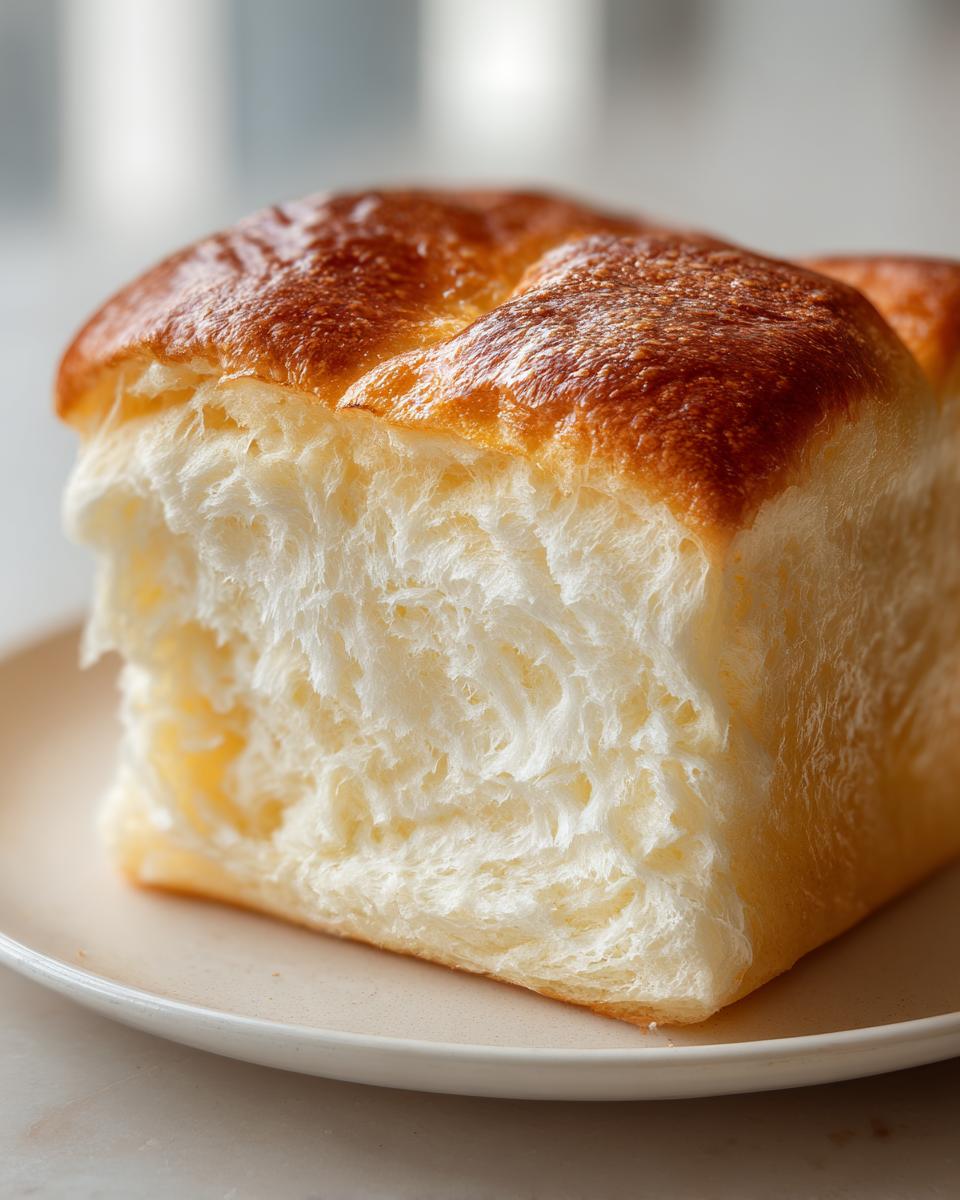
Skip the heavy peanut butter; this bread deserves bright flavors. Try it with high-quality raspberry jam or maybe a drizzle of wildflower honey. It also makes amazing egg sandwiches because it holds up perfectly without crushing. You can transform leftovers into French Toast Muffins too; check out my recipe for that!
Storage and Reheating Instructions for Soft Milk Bread
The worst part about baking something this soft is watching it go stale! But don’t worry, this milk bread stays fresh so much longer than regular loaves thanks to that Tangzhong magic. Once it’s completely cool—and I mean bone dry on the outside—wrap the entire loaf tightly in plastic wrap. Then, tuck that wrapped loaf into an airtight container or a heavy-duty zip-top bag.
If you want to refresh a slice, either toaster it lightly until golden or, if you want that immediate soft-bake feeling, microwave a slice for about 8 to 10 seconds. It puffs right back up! That’s the beauty of an enriched yeast bread like this one; it holds onto moisture like a champ.
Frequently Asked Questions About Milk Bread
Baking this perfect always brings up questions, especially when using a special technique like Tangzhong! I’m happy to walk you through the little details so your loaf turns out perfect every time. Remember, this recipe is designed to be achievable, even if it seems daunting at first.
Is the Tangzhong Method Necessary for Soft Milk Bread Recipe?
I won’t lie to you: technically, no, you can skip it and still make bread. But if you are searching for that signature super-soft, ultra-fluffy result seen in every Japanese Milk Bread Tutorial out there, then yes, it’s highly recommended! Tangzhong is the powerhouse behind that melt-in-your-mouth texture that keeps this milk bread fresh for days. If you skip it, you’re going to get a richer yeast bread, but not that ethereal cloud structure.
Can I use this recipe for Beginner Bread Recipes Soft?
If you’re new to bread but you’re feeling adventurous, absolutely! You can definitely tackle this, which is why I broke down the steps clearly. Since you’re aiming for Beginner Bread Recipes Soft, just pay close attention to the windowpane test when kneading and make sure your Tangzhong is completely cool—those are the two spots where folks sometimes rush. Take your time, and you’ll be shocked at how rewarding it is!
How long does this stay soft? Because of the moisture help from the paste, this bread usually stays wonderfully soft for about 3 or 4 days when stored correctly. Don’t forget to check out resources like the one from Red Star Yeast here for yeast tips!
Can you use All-Purpose flour? Bread flour is better because it has higher protein for that stretch, but AP flour will work in a pinch if you hand-knead it a little longer. For a truly beautiful result, stick to the recipe and find more baking tips in my guide on no-knead bread.
Understanding the Nutrition of Your Homemade Milk Bread
Baking this beautiful, fluffy milk bread at home is such a rewarding experience, and I always want you to feel good about what you’re eating! Since we are focused on making food that is Intelligently Nourishing here at MayaPlate, I wanted to give you an idea of what’s in a serving of this loaf. Remember, since these ingredients are what we put in, the numbers can shift slightly based on the exact brand of flour or butter you use, but this gives you a great baseline for your easy breakfast ideas.
I always stick to estimates for my bread recipes because the actual result depends on how the dough is kneaded and baked, but here is what you can generally expect per slice:
- Serving Size: 1 slice
- Calories: 180
- Sugar: 8g
- Sodium: 150mg
- Fat: 5g
- Saturated Fat: 3g
- Unsaturated Fat: 2g
- Trans Fat: 0g
- Carbohydrates: 28g
- Fiber: 1g
- Protein: 5g
- Cholesterol: 25mg
See? That slight sweetness comes mostly from that 8g of sugar, which is totally manageable for a daily treat. Knowing this information helps us fit this wonderful, soft bread into a balanced diet easily. Enjoy every bite!
PrintUltra-Soft Japanese Milk Bread (Shokupan) with Tangzhong
Bake a loaf of bakery-style Japanese Milk Bread that is incredibly soft, fluffy, and slightly sweet. This recipe uses the Tangzhong method to guarantee a pillow-soft crumb that stays fresh longer, making it perfect for toast or sandwiches.
- Prep Time: 45 min
- Cook Time: 35 min
- Total Time: 3 hours 0 minutes
- Yield: 1 loaf (about 12 slices) 1x
- Category: Baking
- Method: Baking
- Cuisine: Japanese
- Diet: Vegetarian
Ingredients
- 100g Milk (whole milk recommended)
- 50g Granulated Sugar
- 1/2 tsp Salt
- 1 packet (7g or 2 1/4 tsp) Active Dry Yeast
- 40g Unsalted Butter, softened
- 1 large Egg
- 280g Bread Flour
- 50g Whole Milk, warmed slightly (for proofing)
- Tangzhong: 30g Bread Flour
- Tangzhong: 150g Milk (whole milk recommended)
Instructions
- Prepare the Tangzhong: Whisk 30g bread flour and 150g milk in a small saucepan until smooth. Cook over medium-low heat, stirring constantly, until the mixture thickens significantly, resembling a thick paste (around 65°C or 150°F). Remove from heat, cover the surface with plastic wrap to prevent a skin from forming, and let it cool completely.
- Activate the Yeast: In a small bowl, combine the slightly warmed 50g milk and the yeast. Let it sit for 5 to 10 minutes until foamy.
- Mix the Dough: In a large bowl or stand mixer, combine the cooled Tangzhong, 280g bread flour, sugar, and salt. Mix briefly. Add the yeast mixture, egg, and softened butter.
- Knead: Mix on low speed until a shaggy dough forms. Increase speed to medium and knead for 8 to 10 minutes until the dough is smooth and elastic. It should pass the windowpane test (stretching thin without tearing).
- First Proof: Place the dough in a lightly oiled bowl, turning to coat. Cover and let it rise in a warm place until doubled in size, about 1 to 1.5 hours.
- Shape the Loaf: Gently deflate the dough. Divide it into three equal pieces. Roll each piece into a tight log. Place the three logs side-by-side in a greased 9×5 inch loaf pan.
- Second Proof: Cover the pan loosely and let it rise again in a warm spot until the dough has nearly doubled and crowns about 1 inch over the rim of the pan, about 45 to 60 minutes.
- Bake: Preheat your oven to 350°F (175°C). Bake for 30 to 35 minutes, or until the top is golden brown and the internal temperature reaches 200°F (93°C).
- Cool: Immediately remove the bread from the pan and cool on a wire rack. Brush the top lightly with melted butter while warm for extra shine and softness. Slice only when completely cool for the best texture.
Notes
- For an extra rich and tender crumb, you can substitute 50g of the milk in the main dough with sweetened condensed milk.
- To achieve the classic tall, spiraled look of Shokupan, roll each of the three dough pieces into a rectangle instead of a log before placing them in the pan.
- If you do not have a stand mixer, knead the dough by hand on a lightly floured surface for about 15 minutes until smooth.
Nutrition
- Serving Size: 1 slice
- Calories: 180
- Sugar: 8g
- Sodium: 150mg
- Fat: 5g
- Saturated Fat: 3g
- Unsaturated Fat: 2g
- Trans Fat: 0g
- Carbohydrates: 28g
- Fiber: 1g
- Protein: 5g
- Cholesterol: 25mg